



























 0 comments
The Taliban’s latest decree has banned books authored by women from university libraries and outlawed the teaching of human rights and sexual harassment.
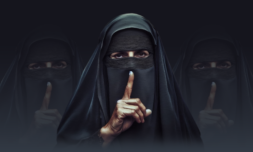
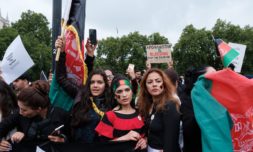
Four years after the Taliban reclaimed power in Afghanistan, the lives of women and girls continue to shrink into silence.
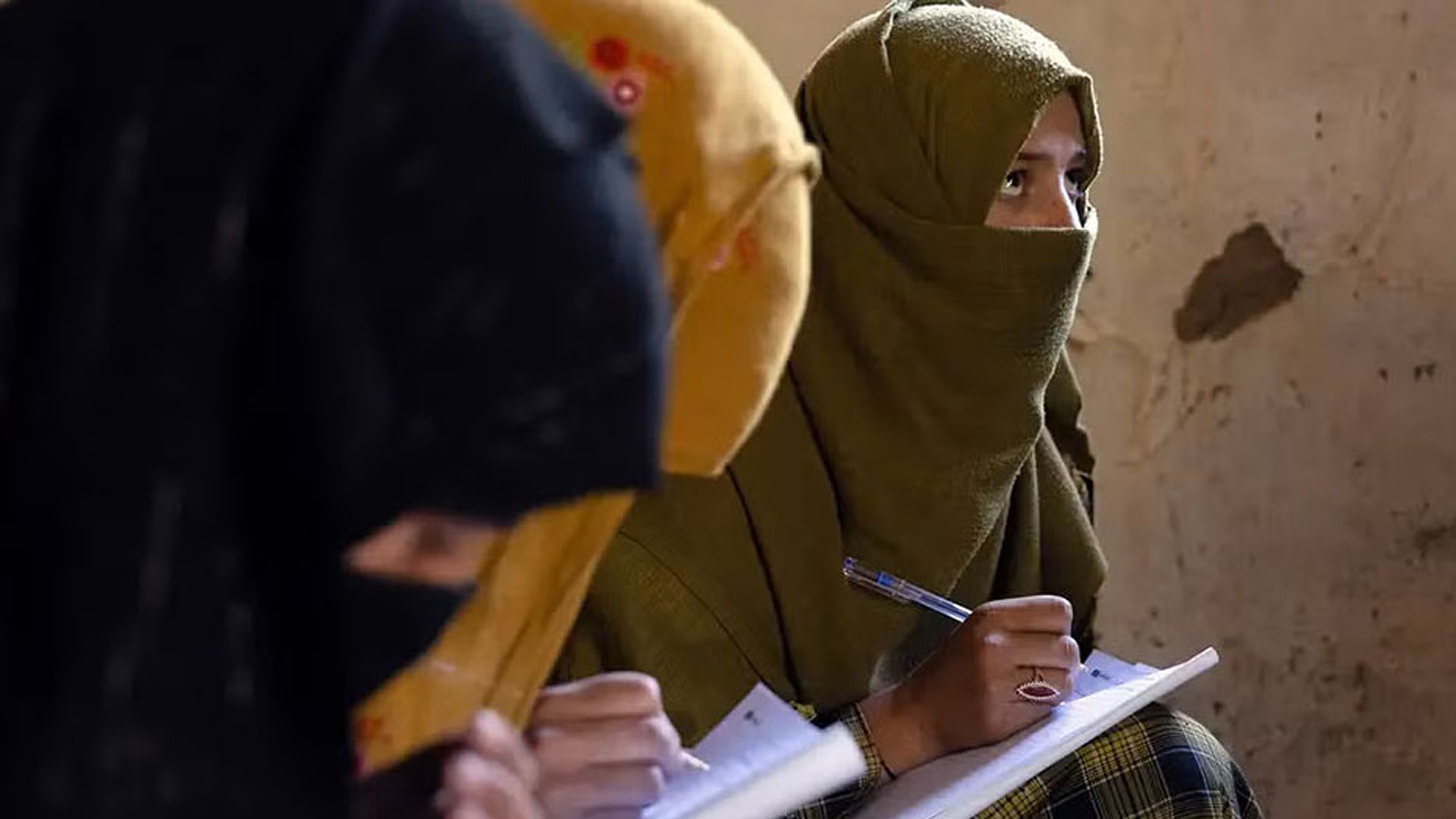
For many Afghan women, the ban is not just about losing access to education, it is about being erased. Entire generations of writers, scholars, and thinkers who fought to carve a space for themselves in Afghanistan’s intellectual life are now being scrubbed from the shelves.
Since the group’s return to power in 2021, restrictions on women’s rights have rolled out in steady succession. Girls are barred from schooling beyond sixth grade. Women are forbidden from most jobs, silenced from singing or raising their voices in public, and ordered to remain veiled. The new ban on women’s books and human rights classes deepens an already suffocating environment, where education has become a political weapon.
Human rights experts have closely linked the ban with demolishing the structures which assure that all people have equal rights. If banning books are removed from the rights framework, the young Afghan children would lack means to protest against injustices of the future, which would not only imply that the Taliban’s teachings would still govern the classrooms but also the communities.